 The Village Journal
Why we built VillageFor for every mom, not just the postpartum one
Pregnancy and postpartum mental health support for every chapter of the motherhood journey — from trying to conceive to loss, NICU, and adoption.

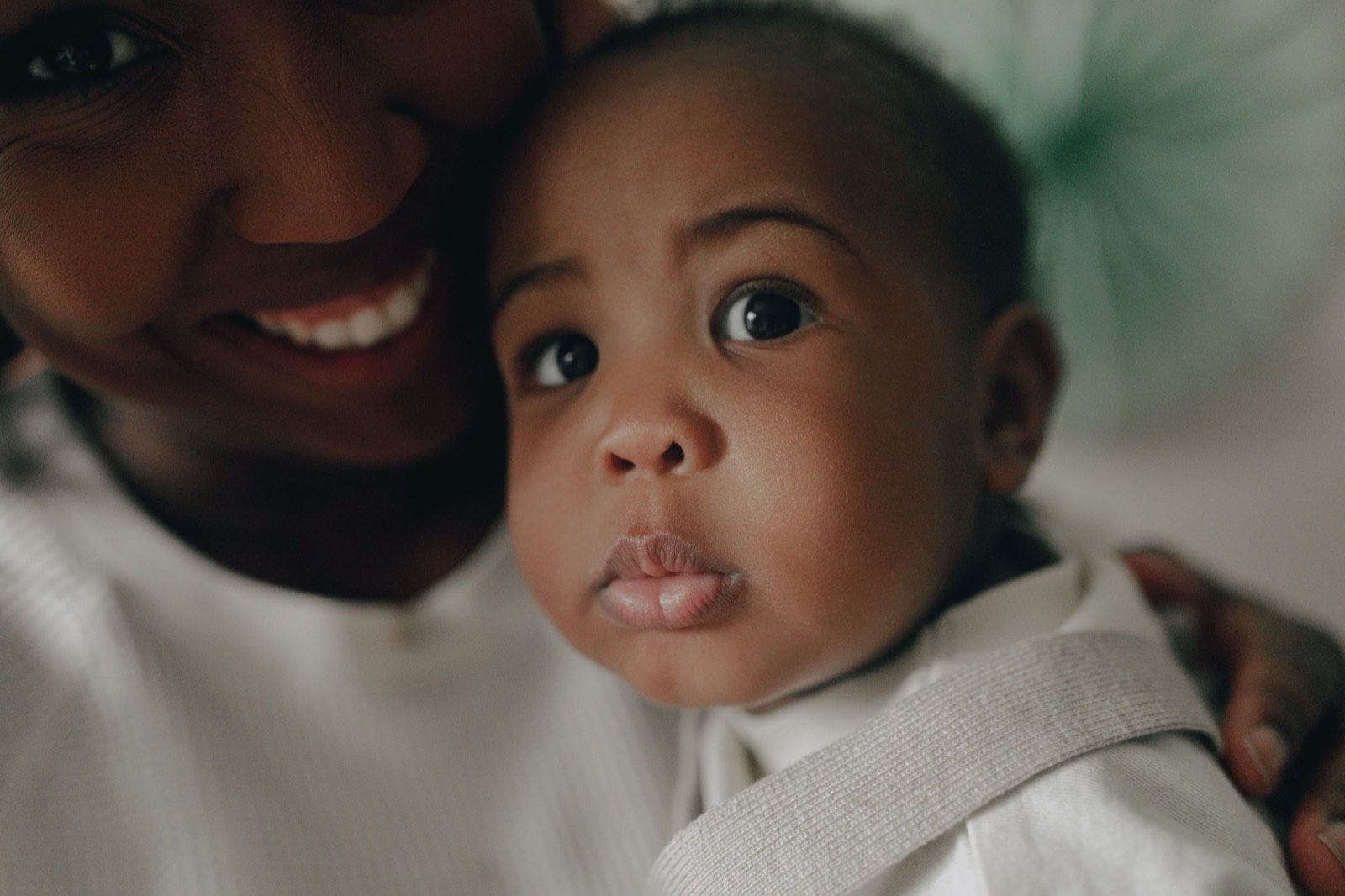
When most people hear “maternal mental health,” they think postpartum. They picture a new mom, a few weeks out from delivery, struggling to adjust. That picture is real and it matters deeply. But it is only one chapter of a much longer story.
The mental health journey of motherhood doesn’t start the day your baby is born. It starts long before that. For some women, it starts the moment they decide they want to become a mother. And it doesn’t end when the newborn phase does.
We built VillageFor for every chapter of that journey. Not just the one everyone talks about. Here is what we mean.
When you’re trying to conceive and nobody talks about what it’s doing to you
Nobody prepares you for the mental weight of trying to conceive.

On the surface, it looks like hope. And there is hope. Real, fierce, unwavering hope. But underneath it, for so many women, there is grief. There is fear. There is the particular kind of exhaustion that comes from wanting something so badly and not being able to control whether you get it.
Every cycle carries its own emotional arc. The hope at the beginning. The anxiety in the middle. The grief at the end if it doesn’t work. And then starting over. Carrying all of that quietly, because nobody really talks about what it does to you mentally to be in that waiting space month after month.
There is grief over not having an easier path to motherhood. Fear that it might not happen. Fear that it will, and something will go wrong. The loneliness of sitting in a waiting room full of pregnant women when you are not yet one of them. The complicated feelings that rise up when someone else announces a pregnancy and you have to smile through it on the way home.
These are real mental health experiences. They deserve real support. And most women navigating TTC are doing it completely alone.
When pregnancy is supposed to feel like joy and it doesn’t
Pregnancy is supposed to be one of the happiest times of your life. That is what you are told. That is the narrative.
But pregnancy is also hormones shifting in ways your body has never experienced. It is watching yourself change in ways you didn’t fully anticipate. It is anxiety about your baby’s wellbeing at every appointment, every scan, every moment of quiet when you haven’t felt them move in a while. It is fear of labor. Fear of the unknown. Fear of who you will be on the other side of it.
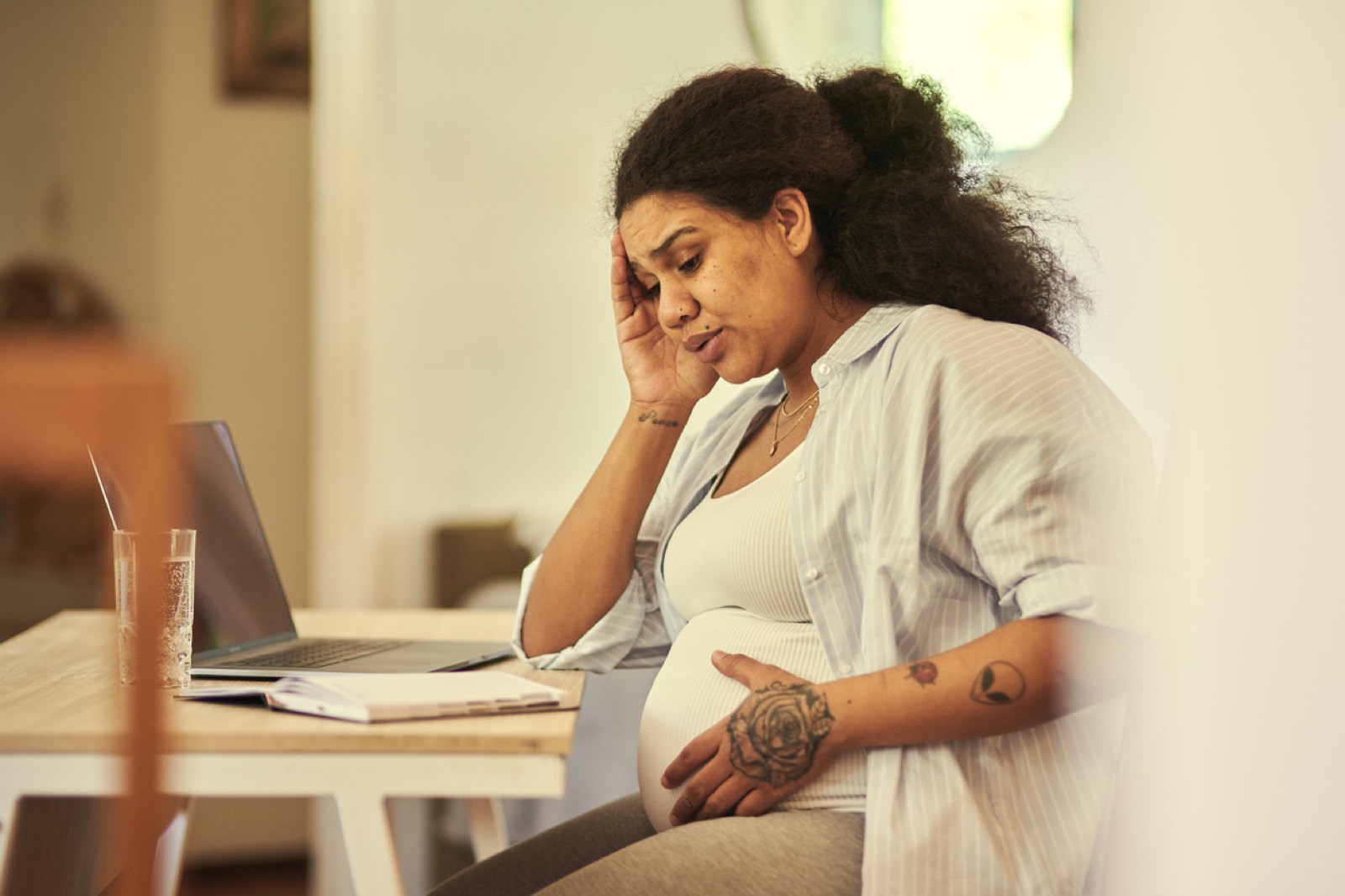
For some women, pregnancy brings on depression or anxiety for the first time. For others, it amplifies mental health struggles that were already there. For almost all of them, the emotional complexity of those nine months is treated as background noise, something to push through on the way to the main event.
Nobody asks how you are doing mentally at your 20 week scan. Nobody hands you a mental health plan alongside your birth plan. The focus is entirely on the baby, which makes sense, but it leaves the woman carrying that baby completely unsupported in her own experience.
You are allowed to feel scared. You are allowed to feel anxious. You are allowed to love your baby completely and still find pregnancy hard. Those things are not contradictions.
When the baby is here and you don’t recognize yourself
You know this chapter. Most people do, at least on the surface.
What people know less is that postpartum doesn’t look the same for everyone. Sometimes it looks like crying. Sometimes it looks like rage. Sometimes it looks like feeling nothing at all, a numbness so complete that you start to wonder if you’ve lost yourself entirely.
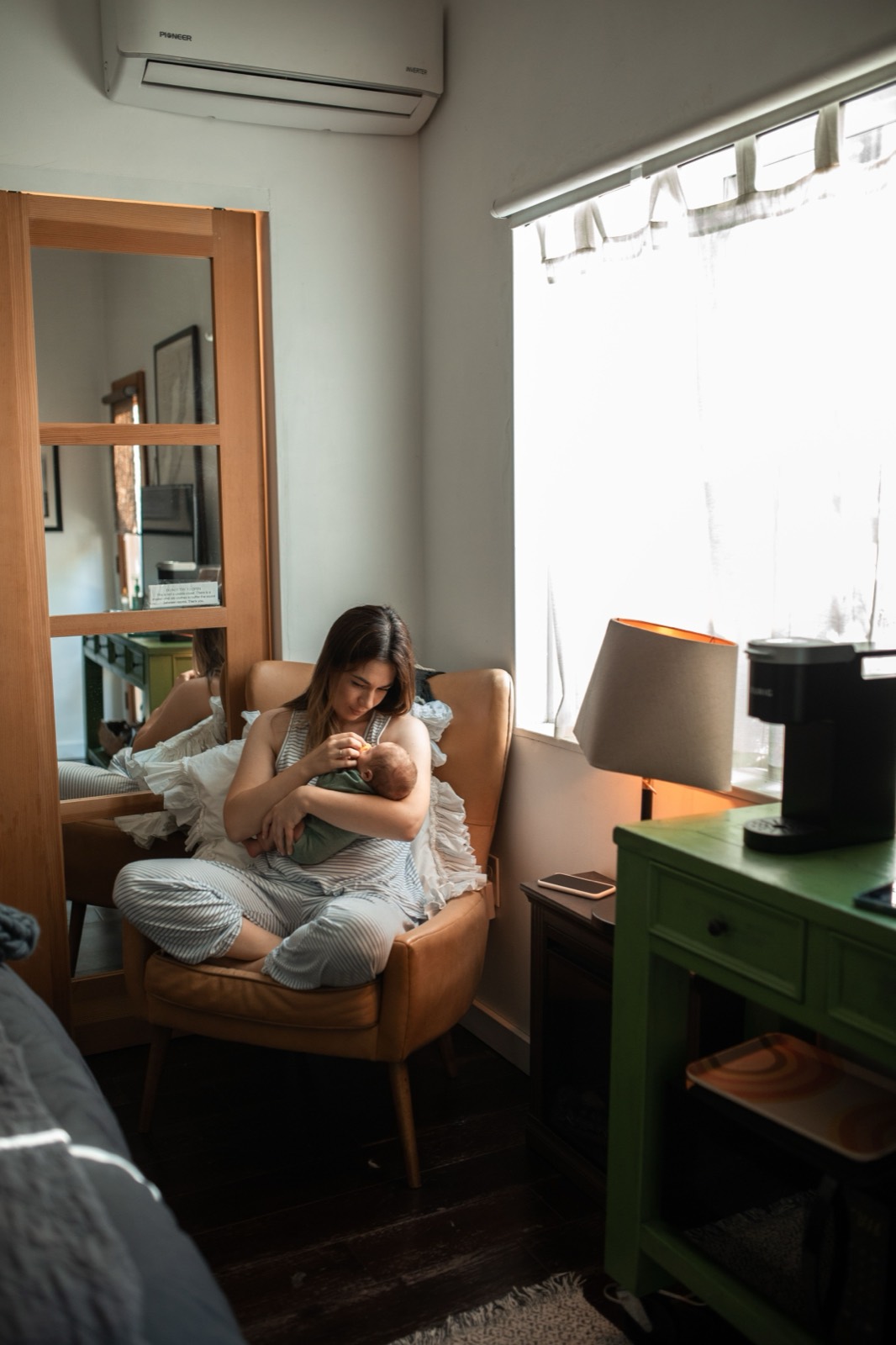
Sometimes it looks like functioning perfectly on the outside while drowning on the inside. Like telling yourself over and over that you’re fine because the alternative is too scary to say out loud.
The postpartum period is when the gap in maternal mental health support is most visible. But it is not where the gap begins. It is where it becomes impossible to ignore.
When you lost a baby and everyone else moved on
Pregnancy and infant loss is one of the most isolating experiences a woman can go through.
Not because the grief isn’t real. It is devastatingly real. But because the world around her often doesn’t know how to hold it. People say the wrong things. Or they say nothing at all. They move on faster than she does. They become uncomfortable with her grief because it doesn’t fit neatly into a story with a happy ending.
And so she learns to carry it quietly. To protect other people from her pain. To answer “how are you doing?” with “fine” because the real answer is too complicated and too heavy and too much for most people to sit with.
She deserves somewhere to put the grief that doesn’t have an expiration date. The anger. The what ifs. The due date that comes and goes. The baby shower she still gets invited to. The questions about when she’s going to have kids that people ask not knowing what she has already lost.
Her loss is real. Her grief deserves space. And she should never have to manage other people’s discomfort with her pain.
When you left the hospital without your baby
You planned for postpartum. You did not plan for this.
You left the hospital without your baby. That sentence alone carries a weight that is almost impossible to describe to someone who hasn’t lived it. The empty arms. The drive home. Walking into a house that was supposed to hold your family and instead holding your breath until you can go back.
NICU moms carry a grief that is complicated by hope, because your baby is alive, and you are grateful, and the guilt of feeling anything other than grateful is its own kind of weight. There is the fear of the unknown. The anxiety of not knowing what tomorrow holds. The stress of navigating a medical system while your body is recovering from delivery and your heart is in a room you can’t always be in.
There is also, for many NICU moms, a quiet guilt. A voice that asks if this is somehow her fault. If something she did or didn’t do contributed to this. That voice is wrong. But it is loud. And it needs somewhere safe to land.
The NICU experience is its own chapter of the maternal mental health journey. One that is almost never talked about outside of the families living it.
When your path to motherhood looks different than you imagined
Motherhood doesn’t always look the way you imagined it would.
For women navigating adoption, the path to motherhood comes with its own emotional complexity. The waiting. The uncertainty. The grief over the path you thought you would take. The complicated feelings about the birth mother. The questions from people who don’t understand why you didn’t “just” do it the other way. The fear that the love will feel different, followed by the overwhelming relief when it doesn’t.
These women are becoming mothers. They are in the thick of one of the most emotionally demanding experiences of their lives. And the maternal mental health conversation almost never includes them.
It should. We built VillageFor to make sure it does.
Why every chapter of motherhood deserves real support
The maternal mental health gap doesn’t start at delivery. It starts the moment a woman begins her journey toward motherhood, and it follows her through every stage of that journey, often without any support, any language for what she’s experiencing, or any place to put it.
VillageFor exists because every single one of these women deserves support. Not just the ones who fit the postpartum narrative. Not just the ones whose struggles are visible. All of them. At every stage. In every chapter.
Because here is what we know. When a woman has support for her mental health throughout her motherhood journey, not just at the crisis point, not just when things fall apart, she does better. Her family does better. The ripple effect of that support is wider than any of us can fully measure.
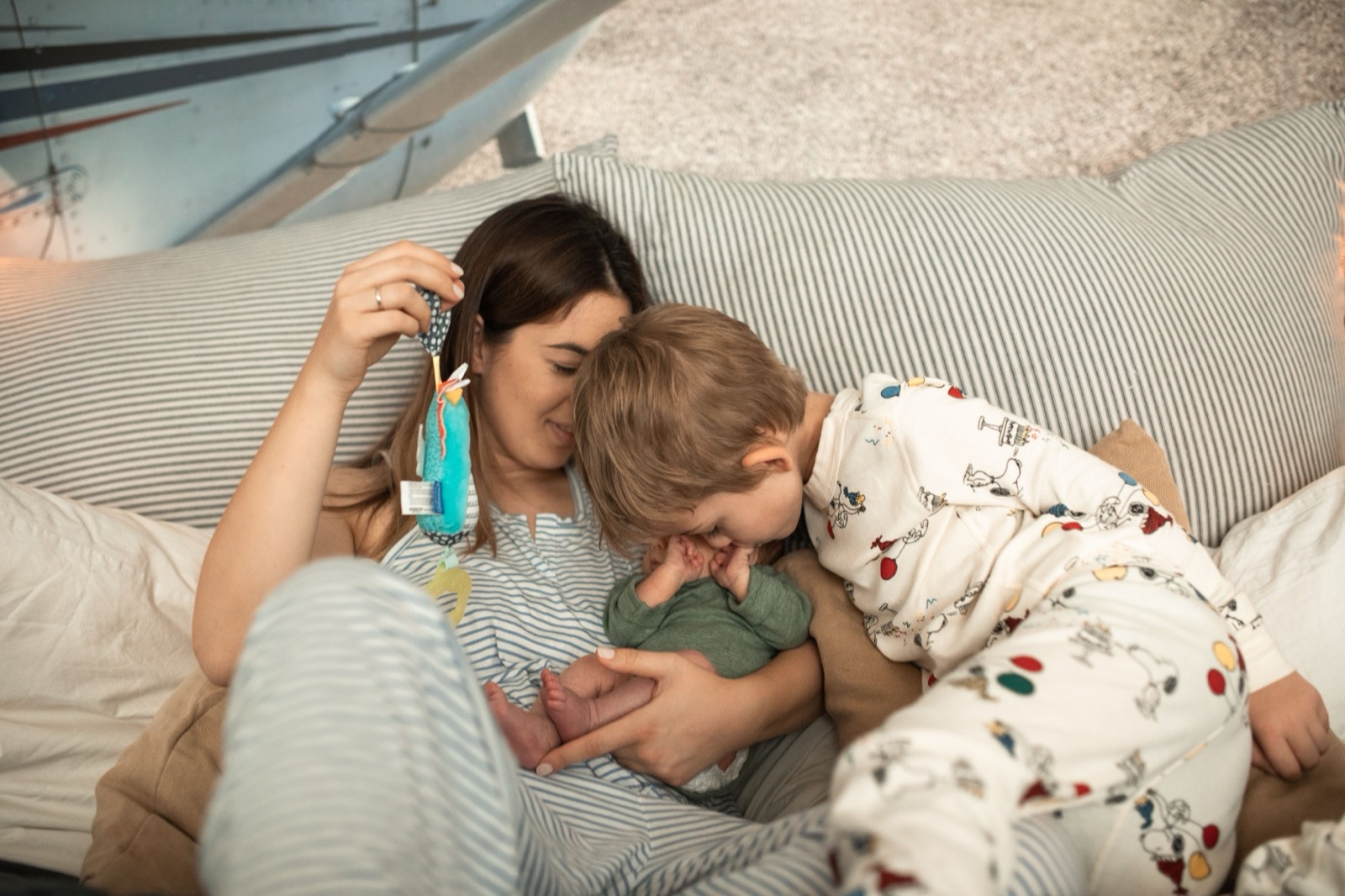
A world where no woman navigates any stage of this journey alone.
That is what we are building toward. Wherever you are in yours, you belong here.