 The Village Journal
Becky With the Good Hair.
Meanwhile, yours is clogging the shower drain. Let’s talk about postpartum hair loss, why it happens, and when your hair might finally make a comeback.
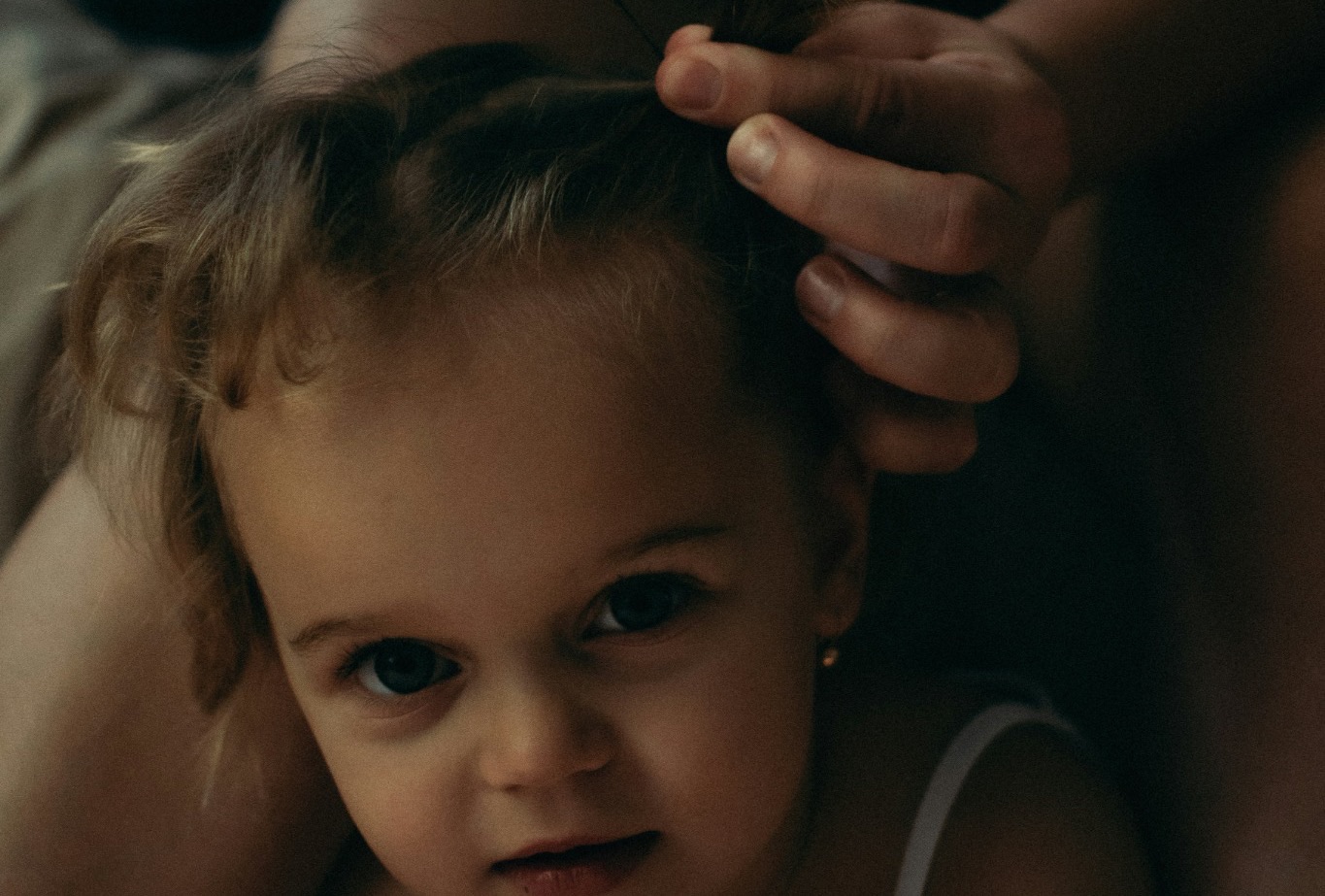
There’s hair on your pillow. Hair in the shower. Hair wrapped around your fingers when you wash it.
At this point you’re considering charging the drain rent.
Why does hair fall out after pregnancy?
During pregnancy, hormonal changes can keep more hairs in the growth phase, making hair seem fuller. After birth, those hormone levels shift and more hairs shed around the same time. This temporary shedding is often called postpartum telogen effluvium.
When does it start and stop?
Many mothers notice increased shedding a few months after delivery. It often peaks around four months postpartum. For many, hair fullness improves over the following months and returns toward its usual pattern by around the baby’s first birthday.
Can you prevent it?
There’s no guaranteed way to stop normal postpartum shedding. Be gentle with tight hairstyles, heat, and treatments that cause breakage. Eat regularly and ask your clinician about nutritional concerns rather than relying on expensive hair supplements.
What about the baby hairs?
Those short, stubborn hairs along your forehead can be signs of regrowth. They may not cooperate with your hairstyle, but they’re often part of the process.
When to get checked
If shedding is prolonged, severe, or involves bald patches, contact a healthcare professional. Thyroid conditions, iron deficiency, and other issues can also affect hair.
It’s okay to care about your hair
Postpartum changes can feel like one more thing happening to your body without your permission. It’s not vain to miss how you looked before. VillageFor gives you room to acknowledge those feelings without dismissing them as “just hair.”