 The Village Journal
They’re Crying. I’m Crying. We’re All Crying.
Why motherhood can leave everyone in tears, and what postpartum hormones, emotional overload, and exhaustion have to do with it.
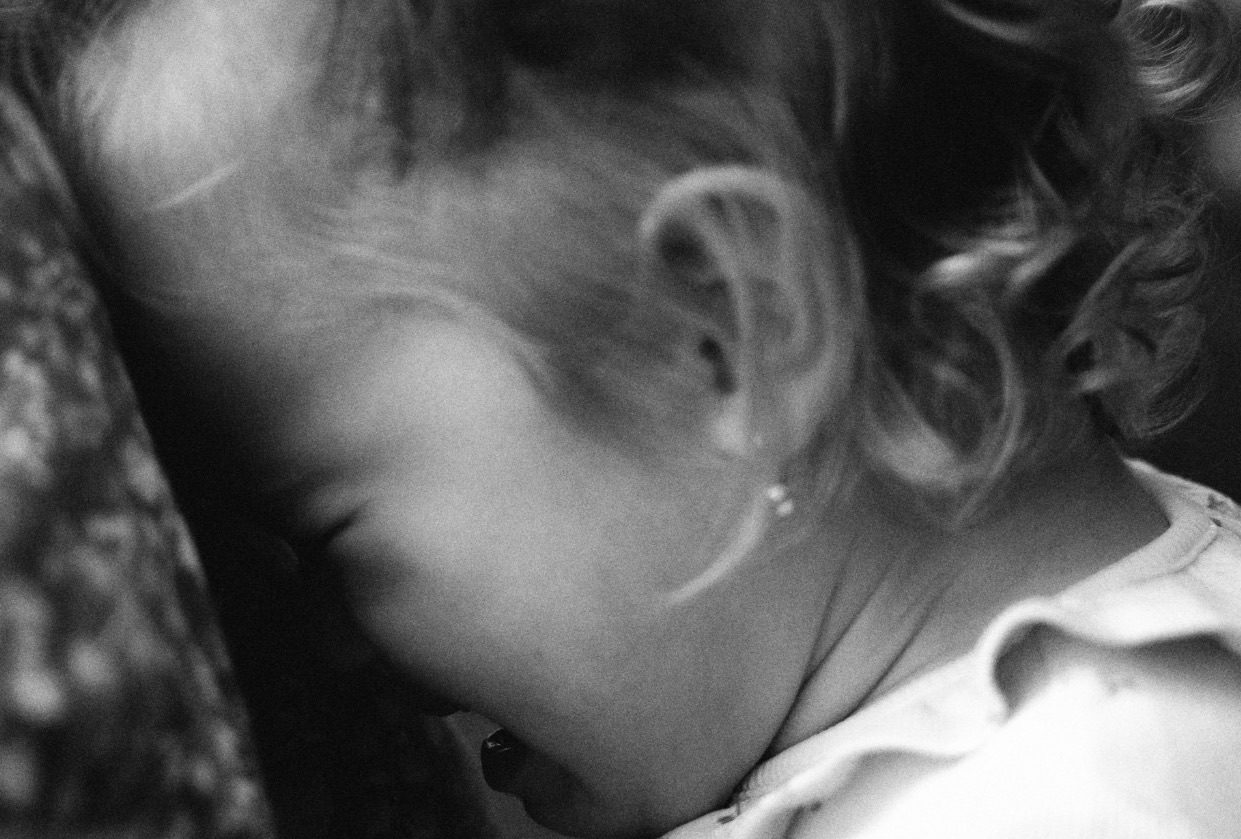
The baby is crying. Your toddler is crying because the banana broke. You’re crying because you’ve been trying to leave the house for forty minutes.
Nobody is having a dignified morning.
Why am I so emotional after birth?
Hormones shift quickly after delivery. Add broken sleep, physical recovery, and the demands of caring for a newborn, and tears may come easily. The baby blues can involve crying, irritability, and mood changes in the first days after birth.
When is it more than baby blues?
Baby blues typically improve within about two weeks. If sadness or anxiety persists, worsens, or makes everyday life difficult, contact your healthcare professional. Postpartum depression and anxiety deserve treatment.
What if I cry in front of my kids?
Children can learn that adults have feelings. You can say, “I’m having a hard moment. You’re safe, and I’m taking care of myself.” They don’t need to feel responsible for making you better.
What helps when everyone is overwhelmed?
Check the basics: food, rest, a break, and another adult who can step in. Tell someone the real version of how you’re doing. If the tears feel unmanageable, ask for support.
If you feel at risk of hurting yourself or your baby, seek immediate help.
Everyone gets to have feelings
The goal isn’t a house where nobody cries. It’s a house where people get care, including you. A VillageFor mood check-in can help you see whether the hard days are easing or becoming a pattern.